

In the age of smartphones and high-speed internet, creating and sharing content has never been easier. But what happens when your private photos or videos are uploaded without your consent?
According to a Reuters investigation, at least 128 official reports were filed in the U.S. between 2019 and 2023 regarding nonconsensual content distribution — and that’s just the tip of the iceberg. Many victims never report the incident. Why? Because they’re afraid. Because they're ashamed. Because no one taught us how to handle betrayal in the digital age.
💔 It’s Not Always Hackers. Often, It’s Your Ex
You might think these incidents are caused by anonymous hackers. But more often than not, the person behind the leak is a former partner — someone who once said they loved you.
Victims often experience:
-
Severe emotional trauma
-
Public humiliation and harassment
-
Career damage
-
Ongoing blackmail
This is known as revenge porn — but let’s call it what it really is: a digital form of abuse.
🚨 When It’s Worse Than Just Leaking Content
According to Benzinga, over 120 complaints received by U.S. law enforcement involved content that was shared without approval — including footage depicting sexual assault and rape. In some cases, the videos looked like ordinary adult content. But behind the camera was pain, fear, and a complete lack of consent.
📌 Important Distinction:
Consent to sex ≠ consent to be filmed
Consent to be filmed ≠ consent to be published
Consent today ≠ forever
🧠 “Digital Rape” Is Real — And Terrifying
There’s a new term that’s gaining traction: digital rape. It describes what happens when someone is emotionally violated by content that was recorded or published without consent.
Every download. Every share. Every comment. Every like. It’s not just an algorithm moving numbers — it’s someone reliving their trauma over and over again.
“He said no one would ever see it. A week later, my naked pictures were in Telegram groups.”
— Anonymous survivor, Reuters interview
🤐 Why Most Victims Stay Silent
Many victims never speak up. They fear:
-
Not being taken seriously
-
Being blamed for their own assault
-
Facing online bullying and doxxing
-
Legal systems that are still catching up to tech crimes
The result? A wave of silent suffering. But the silence doesn’t mean it didn’t happen.
🔐 How to Protect Yourself in a Post-Privacy World
✅ Before Recording Anything:
-
Get explicit verbal and written consent
-
Make sure all parties understand how the content will be used
✅ If You're Already Filming:
-
Use secure, encrypted storage
-
Avoid storing sensitive material on cloud apps without two-factor authentication
-
Add digital watermarks to trace any leaks
✅ If Your Content Gets Leaked:
-
Report it to the platform immediately
-
Contact law enforcement and mention previous similar cases
-
Reach out to legal organizations specializing in digital abuse
-
Seek support from nonprofits like Cyber Civil Rights Initiative
🧩 Tech Platforms: It’s Time to Grow Up
Platforms have a responsibility to protect their users. That includes:
-
ID verification for uploaders
-
AI detection systems for known revenge porn and assault videos
-
Quick-take-down policies with no red tape
-
Resources for victims, including emotional and legal support
This isn’t about censorship. It’s about human rights.
📉 The Real Numbers Are Likely Much Higher
If 128 reports made it to law enforcement, it’s safe to say thousands more never did. And every day that passes without legislation, platforms, and education keeping up, more people suffer.
🗣️ Speak Up. Share This. Be the Change.
If you’ve ever shared something without full consent — stop.
If you’ve ever been a victim — you're not alone.
And if you’re someone who cares about creating a safer internet — share this article, talk about it, and challenge the platforms that profit from silence.
💡 Final Thought: Consent Is Not a Checkbox. It’s Ongoing.
Intimacy is personal.
Trust is earned.
Publishing without permission is a crime.
Want to learn more about protecting yourself in the digital content world? Check out Famez.com — an innovative platform empowering creators with tools for safety, visibility, and real success. Don’t just create. Create smart. Create safe.
Useful Articles
-
Jun 26, 2026Creator Marketing 2026: The 25 Most Effective Methods to Gain More Fans and Increase Revenue
Building a successful creator business in 2026 requires much more than posting attractive content and hoping for attention. The creator economy has become increasingly competitive, professional, and data-driven. Fans have more options than ever, algorithms are constantly evolving, and visibility is no longer guaranteed.
-
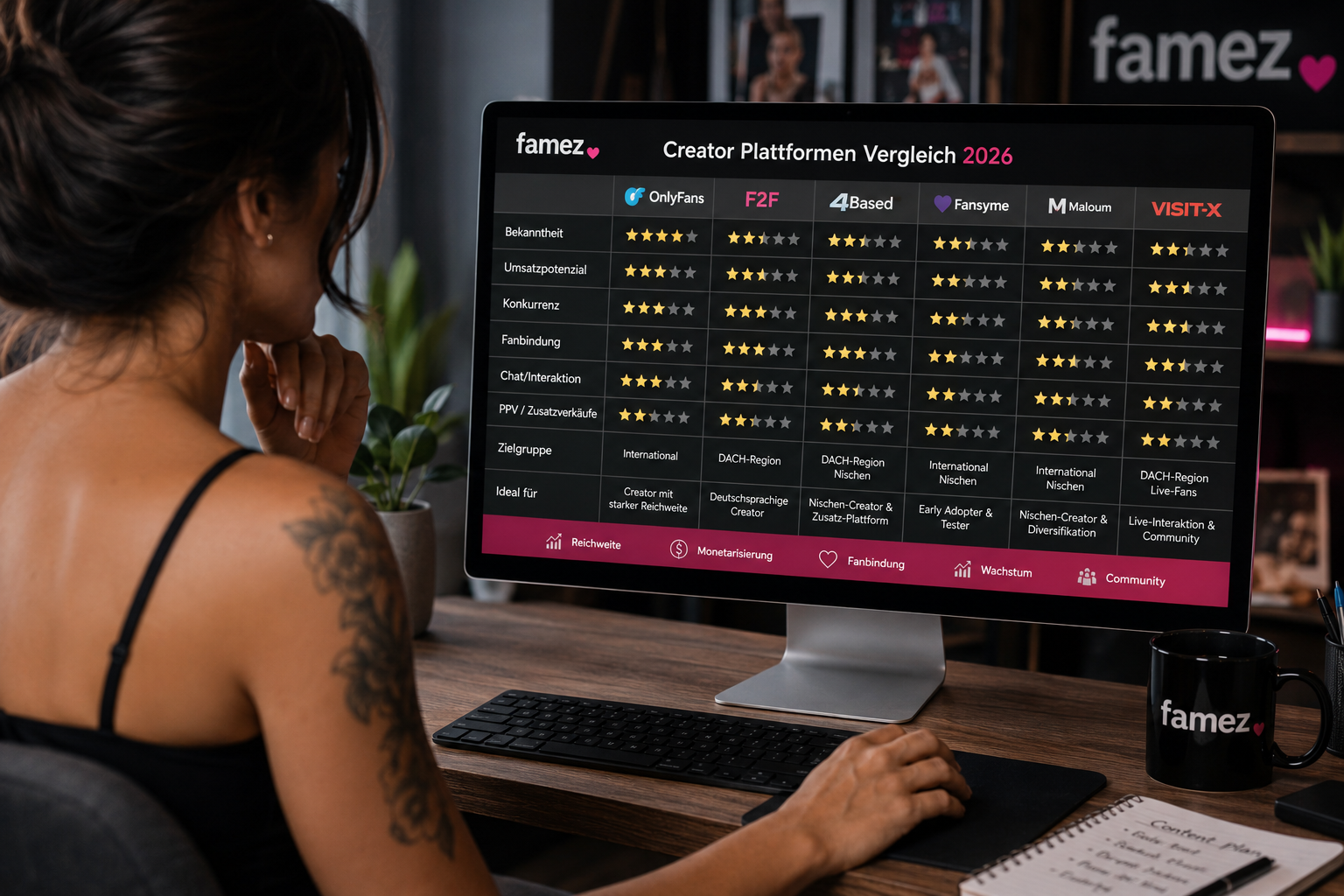
Jun 25, 2026The Best Platforms for Creators in 2026: OnlyFans, F2F, 4Based, Fansyme or Maloum?
Choosing the right platform has become one of the most important business decisions a creator can make. While OnlyFans remains the most recognizable name in the creator economy, it is no longer the only option worth considering. Platforms such as F2F, 4Based, Fansyme, Maloum, and VISIT-X offer unique opportunities, different audiences, and alternative growth paths.
-
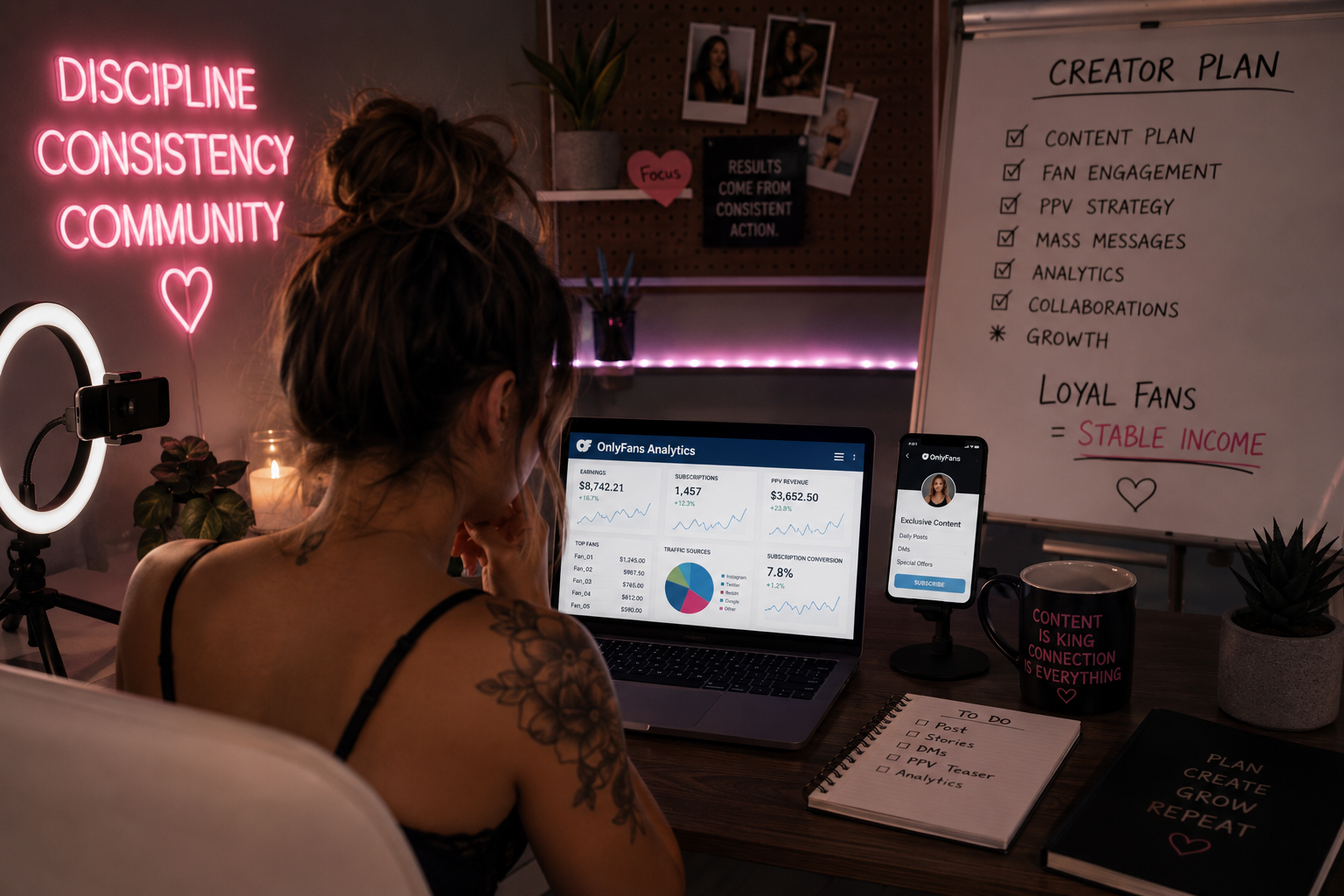
Jun 24, 2026Why Many OnlyFans Creators Make Very Little Money Despite Having Thousands of Fans
Thousands of followers. Hundreds of likes. Active DMs. A growing audience. From the outside, everything looks successful. Yet many creators are surprised when they look at their monthly earnings and realize that all that attention has not translated into meaningful revenue. The truth is simple: followers do not pay your bills. Fans do not automatically become customers. And visibility alone does not create a sustainable creator business.

Comments
Sign in to leave a comment.
No comments yet. Be the first to share your opinion!